Understanding the Alberta-Ottawa MOU
A Turning Point for Canada’s Economic Corridors
What the Alberta-Ottawa MOU Really Means for Our Future
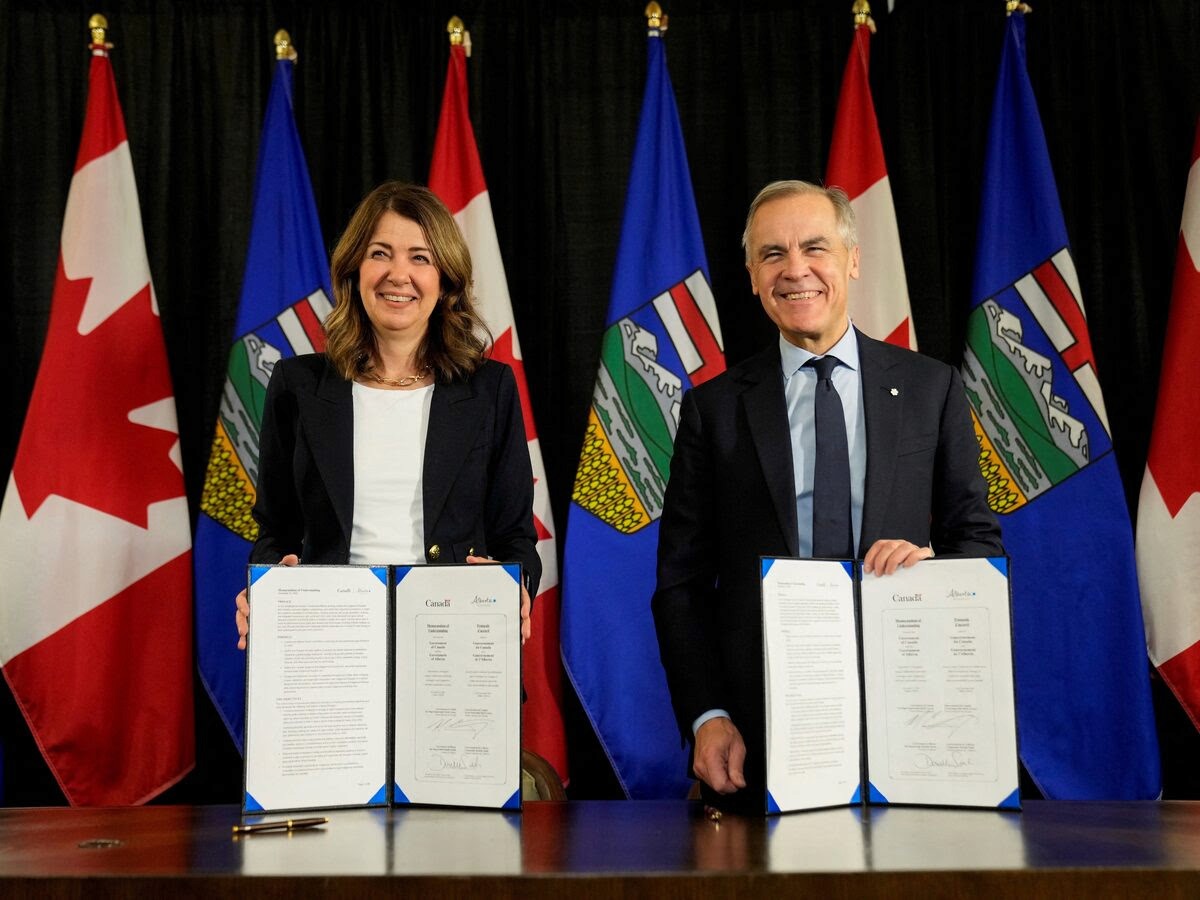
The new Memorandum of Understanding between Premier Danielle Smith and Prime Minister Mark Carney has rewritten the national conversation on pipelines, trade routes, and Canada’s economic competitiveness. Beneath the political noise, the agreement marks the most meaningful federal–provincial shift on west-coast access in more than a decade.
At its core, this MOU strengthens the foundation of what CCE has long advocated: a modern, predictable, cooperative framework for building the corridors that connect Canadians to each other and to global markets. This moment represents real progress toward a Canada where regions collaborate rather than compete on nation-building infrastructure.
Why the MOU Matters
It addresses long-standing regulatory barriers. The agreement outlines exemptions for Alberta from selected federal regulations that have previously limited progress on west-coast corridor projects. Depending on how implementation unfolds, this could streamline future project assessments and reduce uncertainty in early-stage planning.
Investor confidence shows signs of returning. After years of hesitation, major projects now have a more credible path forward. With clearer jurisdictional arrangements, private-sector partners may view long-term infrastructure proposals with greater confidence. Continued clarity will determine how significant this effect becomes, but the initial signal is positive.
It introduces an updated industrial carbon framework. Alberta’s proposed credit system retains revenues within the province and encourages industrial innovation to reduce emissions. Its ultimate impact will depend on market uptake and coordination with national standards, but it represents a more flexible, incentive-based approach than what preceded it.
Canada regains a path to the Pacific. For the first time since the early 2010s, there is a realistic prospect of expanding corridor capacity to the west coast. Federal–provincial cooperation has reopened a conversation that had been stalled for over a decade, enabling the next phase of detailed work on export access and infrastructure design.
These developments align closely with the goals behind Connecting Canada’s Economy: strengthening interprovincial cooperation, minimizing regulatory overlap, and improving the efficiency and reliability of national trade and energy corridors.
Danielle Smith’s Masterclass
Alberta’s risk is manageable and its benefits more immediate. The regulatory barrier has been removed; the investment doorway has been opened. The Premier’s position has improved in concrete terms, whereas the federal payoff remains uncertain.
This dynamic extends into British Columbia. Premier David Eby has acknowledged that, following relevant court decisions, his government cannot block a federally supported infrastructure corridor:
“We lost in court, it’s very clear … We understand that if the federal government wished they could impose this pipeline on us …” – Premier David Eby
The Politics Will Continue but the Momentum Has Shifted
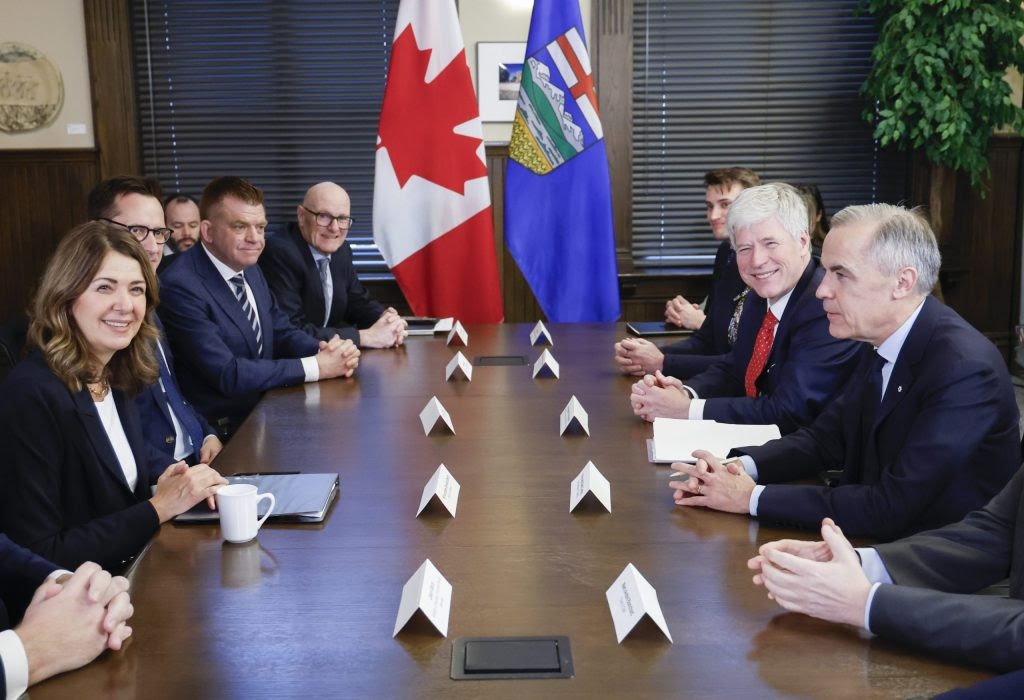
Critics from opposite ends of the spectrum have tried to frame the agreement as a loss for their opponents. But the noise obscures a straightforward reality: this MOU is a constructive step for Alberta, for Canadian industry, and for the national economy.
Even in British Columbia, Premier David Eby has acknowledged that the province cannot block a federally supported pipeline. The provincial conversation has shifted from opposition to negotiation. As a result, Canada is closer than it has been in ten years to expanding its Pacific energy and trade capacity.
Canada’s prosperity has always depended on its ability to build. This agreement begins the long-overdue work of reconnecting our regions, restoring national competitiveness, and opening new corridors for the next generation. It is not the final step, but it is an essential first one.
